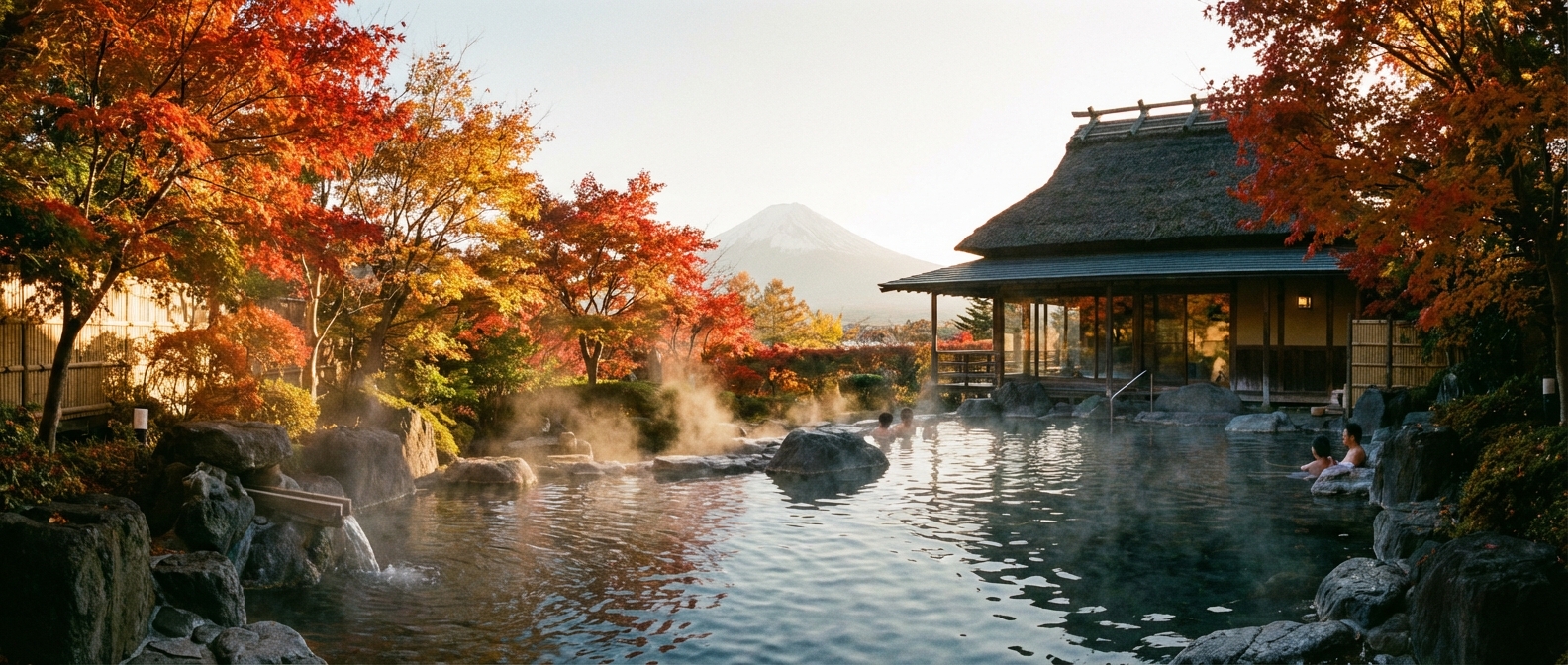
Private Bath Options for Families
A practical family guide to private-bath strategy using real destinations such as Hakone, Kinosaki, Beppu, and Ibusuki for lower-stress planning.
Read time 11 min | Last updated 2026-02-13
The simplest way to get better results from private bath options for families for better onsen planning is to choose a low-risk starting pattern first, then add complexity only after your body and schedule respond well. Most onsen problems for first-time travelers do not come from bad intentions. They come from rushing, overloading the first bath session, or choosing an itinerary that looks efficient on paper but feels exhausting in real time. This guide gives you a decision-first structure so you can start calmly, make clear choices, and still enjoy the cultural side of bathing.
Private-bath planning works better when linked to real destination styles. Hakone is useful for families who need flexibility and different lodging formats in one area. Kinosaki is useful when parents want a walkable town rhythm but still need low-stress private bathing windows for young children. Beppu adds a larger-city option with multiple onsen districts and varied facility setups.
Official Japan travel guidance supports this conservative sequencing mindset: wash thoroughly before shared bathing, manage heat exposure with short sessions and breaks, and check facility-specific rules in advance. If you want a practical baseline before deeper planning, start with Simple Onsen Manners for First-Timers and use this article as your longer execution framework.
What matters most for kids and parents
What matters most for kids and parents starts with one clear conclusion: pick the option that you can execute consistently, not the option that sounds most impressive. Travelers usually overestimate how much heat, movement, and scheduling pressure they can absorb in a single day. A reliable, repeatable routine improves both etiquette quality and physical comfort. It also preserves margin for delays and weather changes, which is often what decides whether a trip feels smooth or chaotic.
Use a sequence that keeps your decisions simple. Prepare your session before entering, use shorter first immersion windows, cool down intentionally, hydrate, and then re-evaluate rather than forcing a fixed plan. This sequence gives you better feedback from your own body, which is more useful than copying someone else's tolerance level. If your plan also includes town transfers or train timing, pair this with How Hot Is Onsen Water Usually? so your bathing pace and transport pace stay aligned.
Most importantly, leave yourself a practical fallback. If conditions are crowded, your energy is lower than expected, or a facility rule differs from what you assumed, switch to a simpler version of the plan instead of pushing through friction. Onsen travel quality comes from good adaptation, not perfect prediction. For a backup decision framework that works on both day trips and overnight stays, keep What to Do If You Feel Dizzy in Onsen in your planning stack.
Private baths and low stress options
Private baths and low stress options starts with one clear conclusion: pick the option that you can execute consistently, not the option that sounds most impressive. Travelers usually overestimate how much heat, movement, and scheduling pressure they can absorb in a single day. A reliable, repeatable routine improves both etiquette quality and physical comfort. It also preserves margin for delays and weather changes, which is often what decides whether a trip feels smooth or chaotic.
Use a sequence that keeps your decisions simple. Prepare your session before entering, use shorter first immersion windows, cool down intentionally, hydrate, and then re-evaluate rather than forcing a fixed plan. This sequence gives you better feedback from your own body, which is more useful than copying someone else's tolerance level. If your plan also includes town transfers or train timing, pair this with What to Do If You Feel Dizzy in Onsen so your bathing pace and transport pace stay aligned.
Most importantly, leave yourself a practical fallback. If conditions are crowded, your energy is lower than expected, or a facility rule differs from what you assumed, switch to a simpler version of the plan instead of pushing through friction. Onsen travel quality comes from good adaptation, not perfect prediction. For a backup decision framework that works on both day trips and overnight stays, keep How to Choose a Good Onsen Stay in your planning stack.
Meal sleep and pacing that actually works
Meal sleep and pacing that actually works starts with one clear conclusion: pick the option that you can execute consistently, not the option that sounds most impressive. Travelers usually overestimate how much heat, movement, and scheduling pressure they can absorb in a single day. A reliable, repeatable routine improves both etiquette quality and physical comfort. It also preserves margin for delays and weather changes, which is often what decides whether a trip feels smooth or chaotic.
Use a sequence that keeps your decisions simple. Prepare your session before entering, use shorter first immersion windows, cool down intentionally, hydrate, and then re-evaluate rather than forcing a fixed plan. This sequence gives you better feedback from your own body, which is more useful than copying someone else's tolerance level. If your plan also includes town transfers or train timing, pair this with How to Choose a Good Onsen Stay so your bathing pace and transport pace stay aligned.
Most importantly, leave yourself a practical fallback. If conditions are crowded, your energy is lower than expected, or a facility rule differs from what you assumed, switch to a simpler version of the plan instead of pushing through friction. Onsen travel quality comes from good adaptation, not perfect prediction. For a backup decision framework that works on both day trips and overnight stays, keep Simple Onsen Manners for First-Timers in your planning stack.
Packing list for smooth bathing
Packing list for smooth bathing starts with one clear conclusion: pick the option that you can execute consistently, not the option that sounds most impressive. Travelers usually overestimate how much heat, movement, and scheduling pressure they can absorb in a single day. A reliable, repeatable routine improves both etiquette quality and physical comfort. It also preserves margin for delays and weather changes, which is often what decides whether a trip feels smooth or chaotic.
Use a sequence that keeps your decisions simple. Prepare your session before entering, use shorter first immersion windows, cool down intentionally, hydrate, and then re-evaluate rather than forcing a fixed plan. This sequence gives you better feedback from your own body, which is more useful than copying someone else's tolerance level. If your plan also includes town transfers or train timing, pair this with Simple Onsen Manners for First-Timers so your bathing pace and transport pace stay aligned.
Most importantly, leave yourself a practical fallback. If conditions are crowded, your energy is lower than expected, or a facility rule differs from what you assumed, switch to a simpler version of the plan instead of pushing through friction. Onsen travel quality comes from good adaptation, not perfect prediction. For a backup decision framework that works on both day trips and overnight stays, keep How Hot Is Onsen Water Usually? in your planning stack.
Safety comfort and bath temperature tips
Safety comfort and bath temperature tips starts with one clear conclusion: pick the option that you can execute consistently, not the option that sounds most impressive. Travelers usually overestimate how much heat, movement, and scheduling pressure they can absorb in a single day. A reliable, repeatable routine improves both etiquette quality and physical comfort. It also preserves margin for delays and weather changes, which is often what decides whether a trip feels smooth or chaotic.
Use a sequence that keeps your decisions simple. Prepare your session before entering, use shorter first immersion windows, cool down intentionally, hydrate, and then re-evaluate rather than forcing a fixed plan. This sequence gives you better feedback from your own body, which is more useful than copying someone else's tolerance level. If your plan also includes town transfers or train timing, pair this with How Hot Is Onsen Water Usually? so your bathing pace and transport pace stay aligned.
Most importantly, leave yourself a practical fallback. If conditions are crowded, your energy is lower than expected, or a facility rule differs from what you assumed, switch to a simpler version of the plan instead of pushing through friction. Onsen travel quality comes from good adaptation, not perfect prediction. For a backup decision framework that works on both day trips and overnight stays, keep What to Do If You Feel Dizzy in Onsen in your planning stack.
A relaxed one day plan template
A relaxed one day plan template starts with one clear conclusion: pick the option that you can execute consistently, not the option that sounds most impressive. Travelers usually overestimate how much heat, movement, and scheduling pressure they can absorb in a single day. A reliable, repeatable routine improves both etiquette quality and physical comfort. It also preserves margin for delays and weather changes, which is often what decides whether a trip feels smooth or chaotic.
Use a sequence that keeps your decisions simple. Prepare your session before entering, use shorter first immersion windows, cool down intentionally, hydrate, and then re-evaluate rather than forcing a fixed plan. This sequence gives you better feedback from your own body, which is more useful than copying someone else's tolerance level. If your plan also includes town transfers or train timing, pair this with What to Do If You Feel Dizzy in Onsen so your bathing pace and transport pace stay aligned.
Most importantly, leave yourself a practical fallback. If conditions are crowded, your energy is lower than expected, or a facility rule differs from what you assumed, switch to a simpler version of the plan instead of pushing through friction. Onsen travel quality comes from good adaptation, not perfect prediction. For a backup decision framework that works on both day trips and overnight stays, keep How to Choose a Good Onsen Stay in your planning stack.
FAQ
Q1. How should beginners choose their first onsen session style?
Choose the lowest-friction option first: shorter initial immersion, clear pre-wash routine, and a scheduled break before any second round. Conservative sequencing gives better comfort and better decisions.
Q2. Do I need exact prices and train schedules before deciding?
Not at the first decision stage. Use strategy-level planning first: transfer complexity, total daily load, and your comfort goals. Then confirm current details at booking time.
Q3. How many onsen stops should I plan in one day?
For most travelers, one main stop plus one fallback is enough. More stops can reduce actual enjoyment by increasing transfers and time pressure.
Q4. What if facility rules differ from what I expected?
Switch to your fallback plan quickly rather than forcing a stressed session. Local rule variance is normal, and flexibility is part of good execution.
Q5. How can I reduce mistakes without over-researching?
Use a fixed sequence: choose goal, choose access, choose bath intensity, set fallback, then book. This prevents planning sprawl while keeping quality high.
Q6. What is the best pacing rule for multi-day onsen travel?
Keep day-one intensity moderate, protect sleep, and re-evaluate after each session. Sustainable pacing consistently beats aggressive first-day scheduling.
Q7. What helps families avoid late-day meltdowns?
Lower first-session intensity, protect meal timing, and schedule fewer transitions. Family comfort comes from rhythm, not activity volume.
Next steps
What to Pack for Children at Onsen